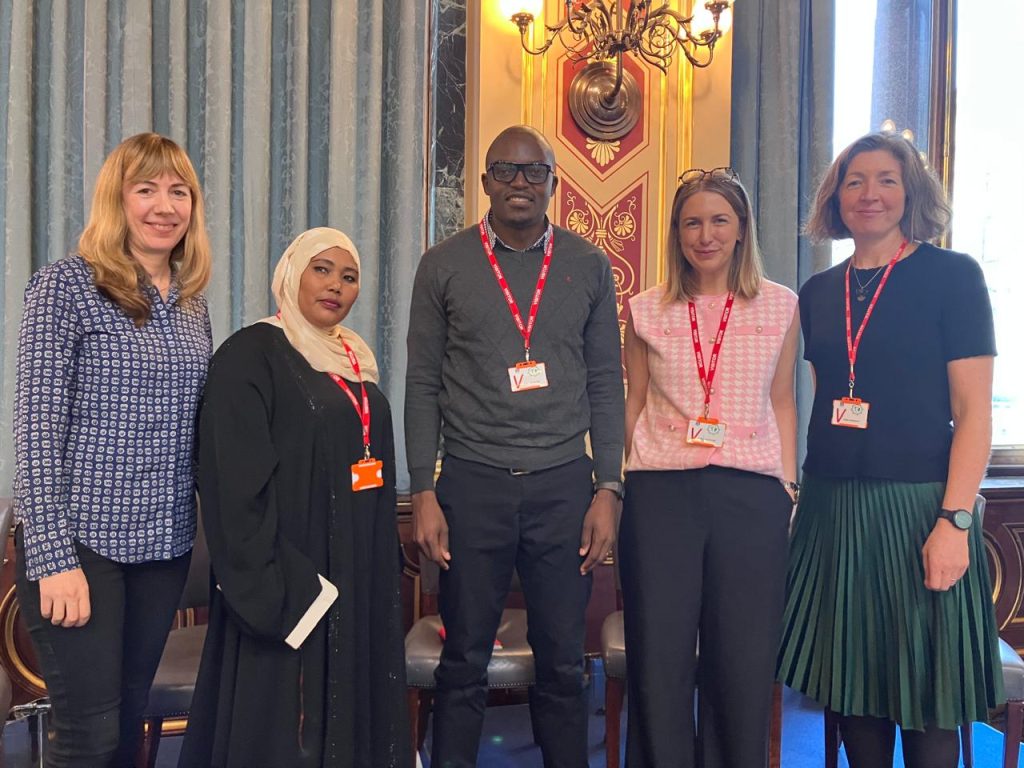
On 12 February in London, The Girl Generation and the FCDO marked the International Day of Zero Tolerance for FGM not with slogans, but with reflection. The room gathered to look back at TGG-ALM its achievements, its missteps, and the lessons that now belong to the wider movement.
The conversation centered on the fact that meaningful change begins with survivors.
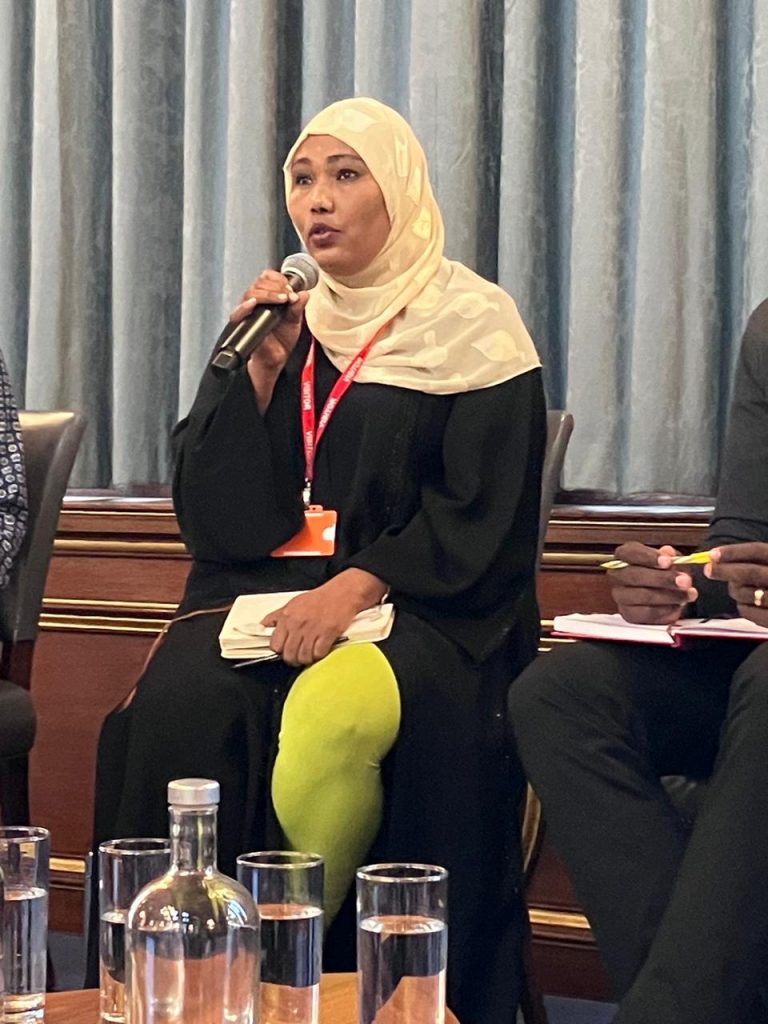
Not as symbolic voices, but as leaders shaping strategy. As Mumina shared, the Survivor Leadership Initiative gave her something she had never had before, a safe space. A space to heal. A space to rediscover her voice, her value, her self-esteem. That journey transformed her from someone defined by FGM into a changemaker and advocate. Her call to the room was clear: support survivors. Trust them to lead.
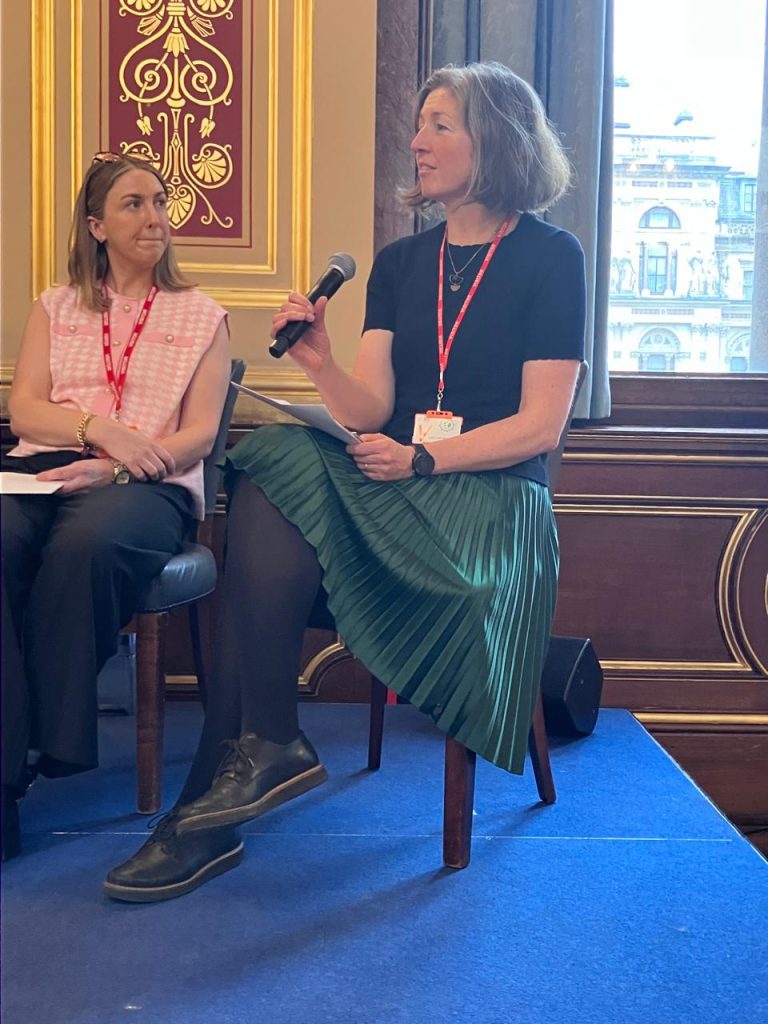
Language emerged as another turning point. For years, FGM has been described as a “harmful practice,” often softened by the language of culture or tradition. Through survivor leadership, TGG-ALM reframed it firmly as violence against women and girls. As Jo Hemmings noted, this reframing is essential. When we call it violence, we change the terms of accountability. We create space for healing and for power to be questioned.
The evening also peeled back the curtain on something less visible but equally powerful: adaptation.
TGG-ALM began with assumptions about how knowledge, attitudes and beliefs shift. Early data revealed something uncomfortable, awareness was increasing, but beliefs were not. Public forums were raising knowledge, but private attitudes remained unchanged.
So, the programme evolved.
Couple dialogues were introduced, creating space for husbands and wives to have conversations that rarely happen publicly. In communities where polygamy was common, this expanded into homestead dialogues, bringing entire family systems into discussion. These weren’t easy conversations. There was disagreement, tension, vulnerability. But there was also something new: daughters telling their mothers how FGM made them feel. Mothers recognizing, sometimes for the first time, the weight of their decisions. Families reaching collective positions on abandonment.
The same thinking shaped the grant-making approach. Instead of top-down funding decisions, Local Grants Advisory Committees trusted community members identified the organizations best placed to lead. It wasn’t the quickest route. But it built legitimacy and sustainability. Eighty-five partners were funded. £2.8 million was disbursed. Regional networks were strengthened. Tools were simplified. Capacity was built alongside funding.
And the impact is visible: girls reporting greater confidence, more stepping into leadership roles, once-taboo conversations becoming public, survivor activism surging, projects spreading organically into neighbouring communities.
Ending FGM cannot sit in isolation. It must be integrated into health systems, schools, economic programmes and anywhere dialogue is possible. Because dialogue, repeated over time and grounded in trust, is what shifts norms.
The gathering was a reminder that progress is built deliberately through survivors, through data, through adaptation, and through systems that outlast funding cycles.