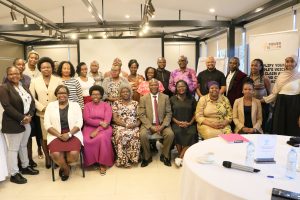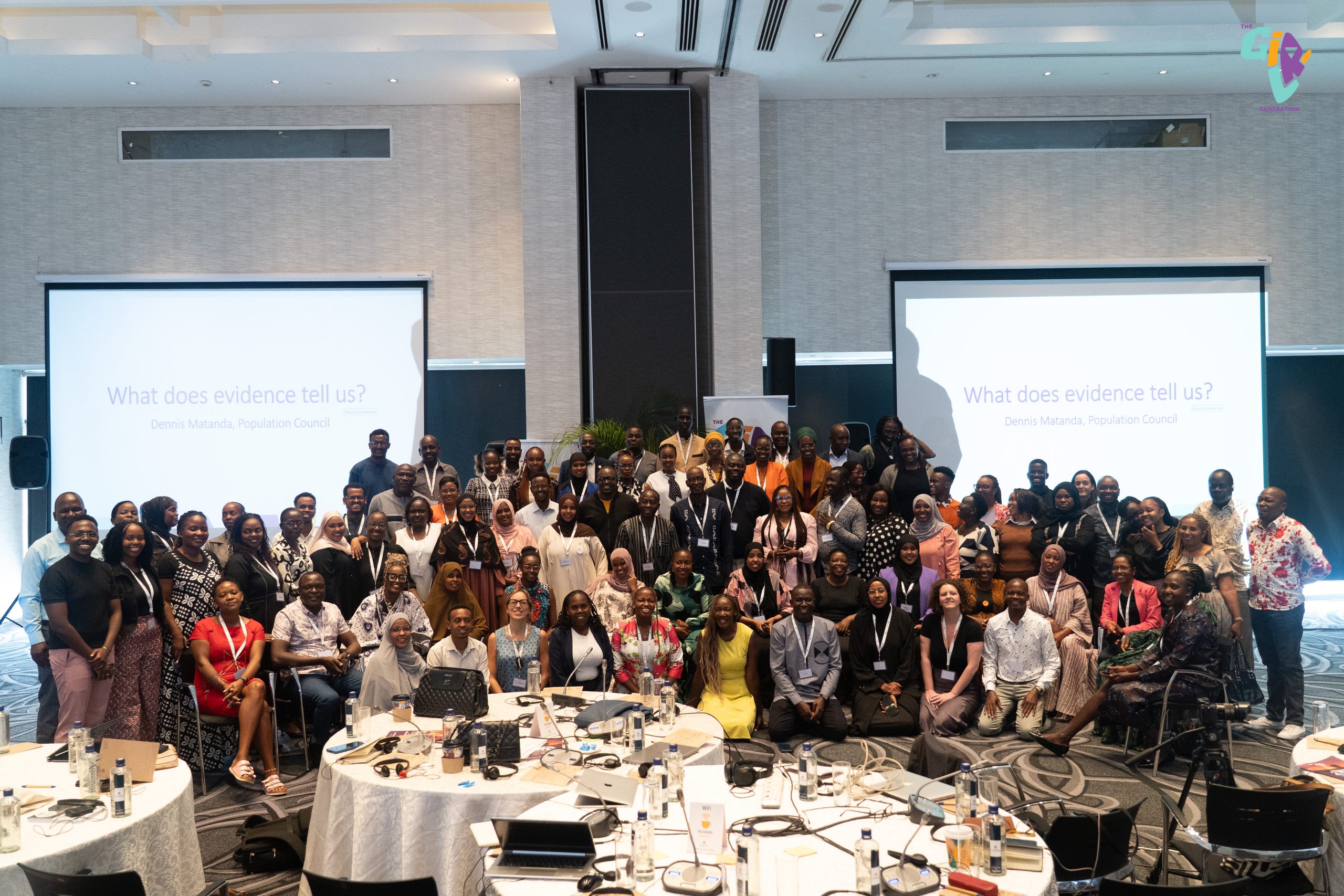
On 3–4 February, The girl generation -ALM gathered various stakeholders both from within the programme and those externally part of the end FGM movement to The Regional Learning & Evidence Forum: Passing the Torch, held to commemorate the upcoming Zero Tolerance Day.
The two-day forum was a moment of reflection and introspection and also served as a strategic handover and deliberate transfer of evidence, tools, partnerships, and leadership to those who will carry the movement to end FGM forward.
Under the global Zero Tolerance Day theme, “Towards 2030: No end to female genital mutilation without sustained commitment and investment,” the forum focused squarely on one question: What must be protected, scaled, and sustained beyond project cycles?
A Movement Bigger Than Any Programme
Over the past five years, The Girl Generation -ALM has tested and refined locally led, girl-centred models across four countries. With programme implementation nearing completion, the Forum created space to share proof-of-concept findings, practical resources, and hard-won lessons with policymakers, funders, civil society leaders, survivors, and advocates.
Opening the event, Dr Jacinta Muteshi, Team Lead of TGG-ALM, grounded the purpose of the gathering:
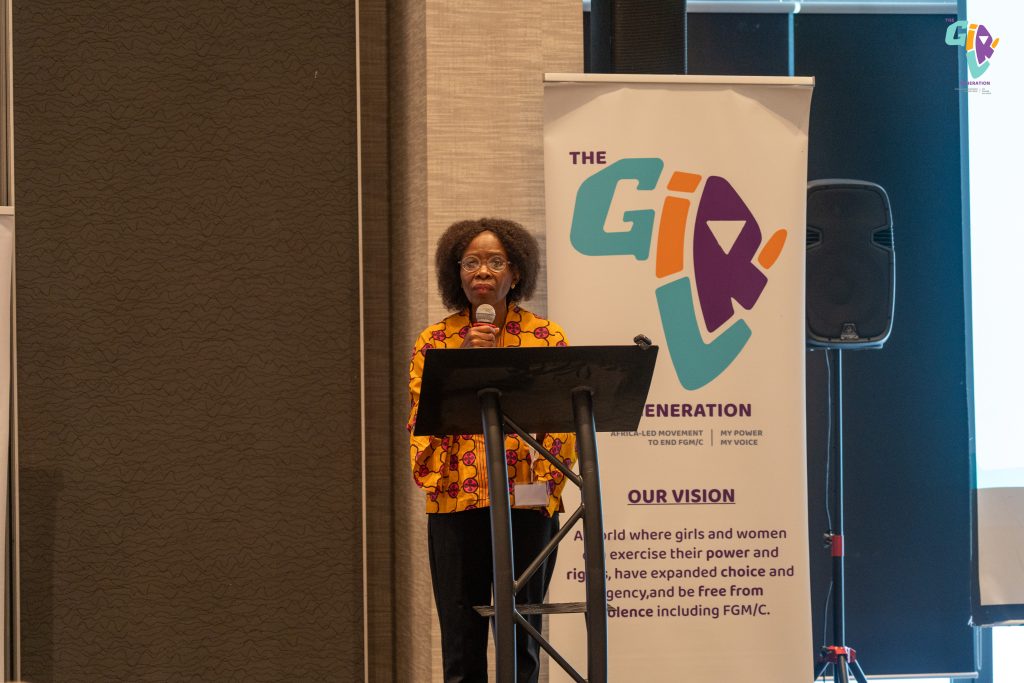
“Programmes like ours are time bound but the movement to end FGM is not. Today is about passing on what we’ve learned and what we’ve built so the movement can carry these tools forward.”
Throughout the plenary sessions and deep-dive technical discussions, participants explored the programme’s theory of change, its girl-centred and adaptive principles, and the evidence emerging from community-led social change, survivor leadership, advocacy, frontline grant-making, media engagement, and health system integration.
From Evidence to Ownership
The Forum brought together more than 70 participants, including government officials, funders, NGOs, consortium partners, and survivors.
For Hon. Ipato Surum, Chairperson of the Anti-FGM Board Kenya, the power of survivor leadership stood out:
“Survivors telling their stories within communities break stigma, challenge harmful norms, and create a shift from what is regarded as normal to what must be abandoned.”
Sessions on survivor leadership, girls’ empowerment, and community engagement reinforced that sustainable change requires shifting power, not only attitudes. Participants examined what works, what needed adaptation, and where gaps remain.
Caroline Lentupuru, Commissioner of the National Gender and Equality Commission, reflected on the significance of the gathering:
“This moment to ‘Pass the Torch’ is both symbolic and strategic. It speaks to continuity, shared responsibility and the deliberate transfer of learning, evidence and leadership to those shaping the future of the movement to end FGM.”
The Forum emphasised that evidence is not meant to sit on shelves. TGG-ALM has produced over 20 practical resources from school club manuals to survivor engagement guidelines designed for replication and adaptation. The focus now is uptake.
Learning What Worked, and What Didn’t
Beyond celebrating successes, Day Two confronted challenges head-on.
Participants examined difficult realities: backlash against girls and women who speak out, unintended messaging that risks medicalization, and the complexities of engaging former practitioners. By openly discussing missteps and adaptation, the Forum reinforced a culture of honest learning, essential for long-term impact.
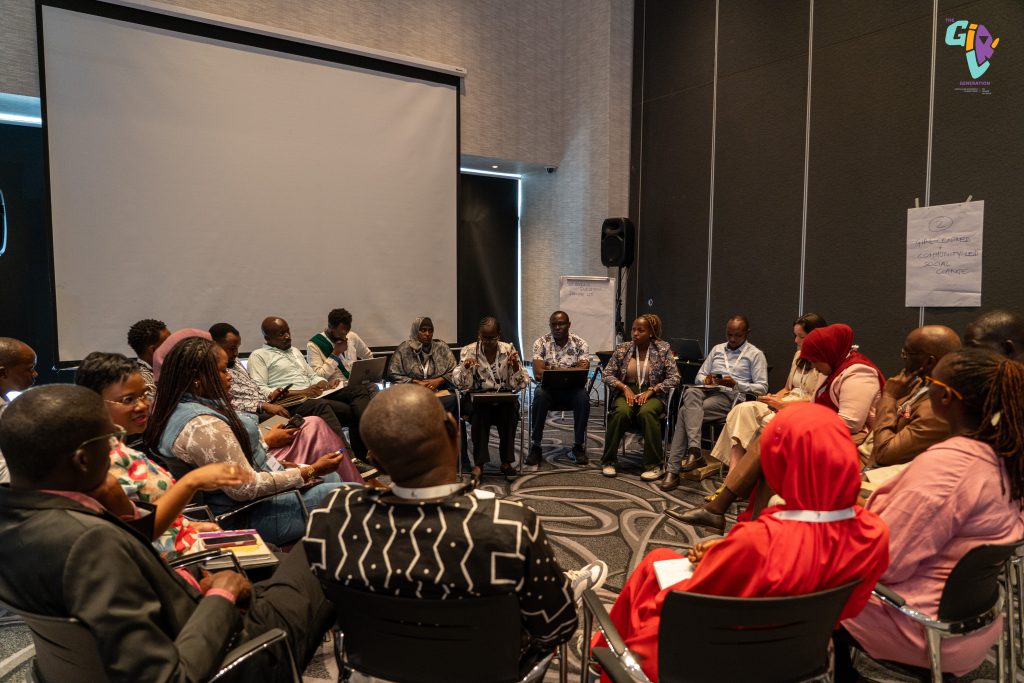
Scale and sustainability were recurring themes. What does it take to integrate FGM prevention into health systems? How can community-led approaches be institutionalized? What does meaningful collaboration between governments and grassroots actors look like?
Care as a Core Principle
As discussions deepened, another message emerged clearly: how the movement works matters as much as what it produces.
Leyla Hussein, Global Advocacy Director at TGG-ALM, reminded participants:
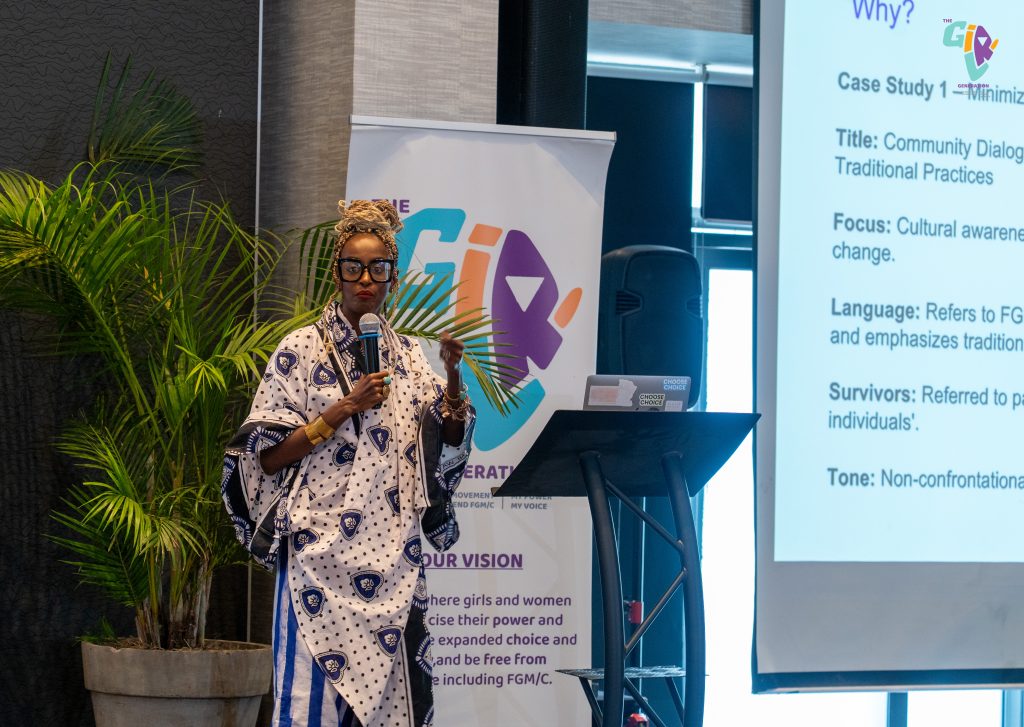
“Care is not an add on to this work. As we pass on learning, evidence and leadership, how we work together matters just as much as what we produce.”
Safeguarding, wellbeing briefings, and structured reflection were embedded throughout the Forum, reinforcing that ending FGM requires ethical, inclusive and survivor-centred approaches.
From Dialogue to Commitment
The final sessions shifted from reflection to action. Participants worked in country and county groups to answer key questions:
- What are the most useful ideas and approaches emerging from TGG-ALM?
- How can these be adapted and integrated locally?
- Who else needs to champion them?
- What concrete commitments can we make?
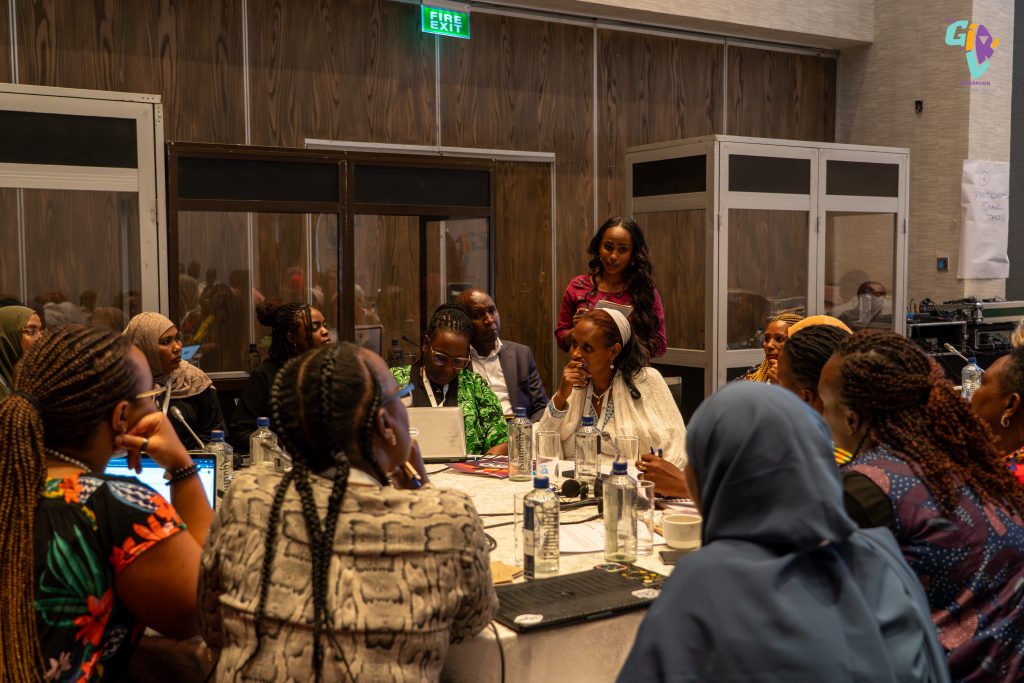
Renewed resolve and tangible commitments to sustain momentum was echoed across all the focus countries
The Forum closed with a reminder that Zero Tolerance Day is not an endpoint it is a checkpoint on the journey toward 2030.
Sustaining the Torch
The TGG-ALM Regional Learning & Evidence Forum marked a transition, not a conclusion. It reaffirmed that sustainable change requires long-term investment, government ownership, survivor leadership, and collective accountability.
As the torch passes, the responsibility widens.
The movement continues stronger, better equipped, and anchored in evidence.
The Forum closed with a reminder that Zero Tolerance Day is not an endpoint it is a checkpoint on the journey toward 2030.